Nasal congestion often feels like a one-time annoyance, but for many people, it keeps coming back in cycles. Understanding how treatments can help not only clear your airways but also prevent future blockages is the key to lasting relief.
Understanding Recurrent Nasal Blockage
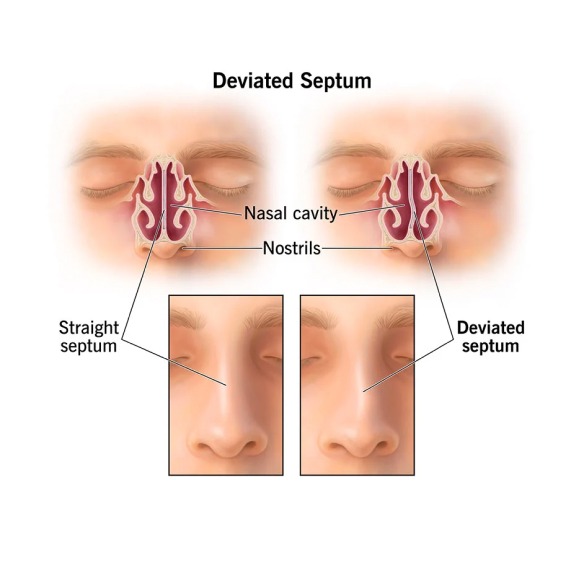
Persistent or recurrent nasal congestion usually indicates that the underlying cause hasn’t been fully addressed. It can stem from allergies, sinus infections, environmental irritants, or structural issues such as a deviated septum. Effective treatments should not only relieve symptoms but also help reduce inflammation and improve airflow long-term.
Why Congestion Keeps Returning
When nasal passages stay inflamed over time, mucus accumulates and airflow decreases, creating the perfect environment for repeat blockages. Many quick-fix sprays only mask the problem and may trigger rebound congestion. The goal is to use treatments that target underlying causes while supporting natural sinus drainage.
The Role of Moisture Balance
Dry air or dehydration can make nasal tissue more prone to swelling and blockage. Keeping your environment humidified helps prevent dryness that can trigger congestion. Consistent moisture balance in your home and body reduces irritation and promotes clearer breathing.
Long-Term Benefits of Saline Sprays
Saline sprays keep nasal passages clean, hydrated, and resistant to buildup. By washing out allergens and mucus, they prevent congestion from recurring. Regular use—especially before bedtime or after exposure to dust or pollen—supports natural airway protection.
Steam and Warm Air Therapy
Steam treatment opens nasal passages and loosens trapped mucus, reducing the chance of future blockage. Inhaling gentle steam or using a warm shower can soothe irritated membranes and restore normal airflow. This simple practice can be part of a daily preventive routine.
The Impact of Air Quality
Poor indoor air quality contributes to chronic nasal congestion by exposing the body to dust, pollutants, or mold spores. Regular cleaning, air filtration, and ventilation keep your space allergen-free. Breathing in cleaner air helps prevent sinus irritation from building up again.
Managing Allergies Proactively
Allergic reactions are one of the most common reasons nasal congestion keeps returning. Identifying your triggers—whether it’s pollen, pet dander, or certain foods—allows you to minimize exposure. Treating nasal passages naturally after contact prevents prolonged inflammation that leads to recurring blockage.
Herbal and Natural Remedies
Herbal aids such as peppermint, ginger, and chamomile can help maintain open sinuses while calming underlying irritation. Their natural anti-inflammatory properties support nasal health over time. Integrating herbal teas or essential oils into your routine can reduce the frequency of flare-ups.
Breathing and Relaxation Techniques
Stress can subtly tighten your breathing and contribute to sinus tension. Deep breathing and relaxation exercises improve oxygen flow and help your body manage inflammation more effectively. Practicing them daily keeps nasal passages active and prevents stagnation in airflow.
Gentle Nasal Rinsing
Using a neti pot or saline rinse consistently can prevent buildup that causes repeated blockages. It clears out allergens and debris before they turn into stubborn congestion. This simple method is ideal for maintaining nasal hygiene and long-term comfort.
Limiting Chemical-Based Sprays
Decongestant sprays may provide instant relief, but repeated use encourages dependence and rebound blockage. Limiting chemical use protects your nasal tissue from over-drying or over-constriction. Instead, switch to gentler options that clean and moisturize without harsh effects.
The Value of Consistent Hydration
Your body’s ability to keep mucus thin depends heavily on water intake. Staying hydrated helps your sinuses stay lubricated and less likely to trap debris. Make hydration a daily habit to minimize congestion from developing again.
Rest and Recovery Routine
Adequate rest helps your immune system fight inflammation that causes recurring nasal blockage. Sleep allows your body to recover and maintain balance in tissue function. Even small changes like elevating your head at night can make breathing easier over time.
Massage and Circulation Support
Massaging your sinuses stimulates circulation and helps prevent buildup from recurring. Gentle pressure around the nose and cheeks encourages healthy drainage. Doing this once or twice a day can maintain clear passages and reduce tension-related congestion.
Vitamin and Nutrient Support
Certain vitamins and minerals support sinus health by strengthening the immune system and reducing inflammation. Vitamin C, D, and zinc are especially beneficial for people prone to congestion. A nutrient-rich diet creates a stronger defense against recurring nasal irritation.
Preventing Chronic Sinus Swelling
Inflammation is at the core of recurring congestion. Managing it naturally with soothing hydration, a balanced diet, and enough rest keeps tissues calm. The fewer inflammatory triggers your nasal passages encounter, the less often blockages return.
Environmental Adjustments
Simple lifestyle tweaks can make a big difference when trying to prevent nasal blockage. Keeping bedding clean, reducing exposure to scented cleaning products, and controlling dust improves air quality dramatically. Fresh, clean surroundings are your first line of defense against chronic congestion.
Humidifier as a Preventive Tool
Running a humidifier regularly prevents irritation caused by overly dry environments. Consistent humidity keeps nasal tissues soft, flexible, and less reactive. It creates a gentle environment that supports healthy breathing year-round.
Acupressure and Reflex Support
Acupressure techniques can help maintain open passages by encouraging better blood and energy flow around the sinuses. Applying pressure to areas like the nose bridge or cheekbones can naturally alleviate blockage. Consistent practice lowers your risk of buildup returning.
Controlling Temperature and Irritants
Sudden changes in temperature or exposure to cold air can shock nasal tissues and trigger inflammation. Using scarves, keeping your indoor climate stable, and avoiding smoke or strong fragrances reduce stress on your sinuses. The more stable your environment, the fewer flare-ups you’ll face.
Mindful Daily Practices
Developing mindful habits can prevent small irritations from becoming recurring issues. Washing hands frequently, staying hydrated, and scheduling breaks from dusty environments help prevent nasal stress. Gentle awareness of how your body feels each day helps you act before congestion takes hold again.
Natural Immunity Boosters
Boosting your immune health with nutrient-dense foods and regular physical activity keeps nasal passages strong. Garlic, honey, and citrus fruits offer mild antimicrobial and anti-inflammatory benefits. Supporting immunity naturally means fewer infections that trigger recurrent blockage.
Balanced Lifestyle for Sinus Health
A balanced routine combining nutritious food, regular movement, and enough rest keeps sinus functions stable. Avoiding processed foods and sugars also decreases inflammation naturally. Consistency is crucial—simple daily habits build a foundation that prevents chronic blockages.
Practical Takeaways
Use saline sprays and gentle rinses daily to keep nasal passages clear. Maintain good air quality, proper hydration, and consistent rest to reduce recurrence. Choose natural, moisture-rich methods that not only relieve congestion but also protect your sinuses from future blockages.