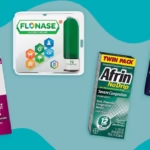

Nasal congestion treatments should be used when symptoms impair breathing, sleep, or daily activities, starting with non-medicated options like saline rinses before progressing to targeted therapies. Decongestants suit short-term colds (3 days max), steroids/antihistamines manage allergies, and medical evaluation triggers for persistent cases exceeding 10 days.
Acute Congestion from Colds/Flu
Use oral decongestants (pseudoephedrine) or nasal sprays (oxymetazoline) 1-4 times daily for sudden stuffiness blocking airflow. Limit sprays to 3 days maximum to prevent rebound congestion where nasal tissues swell worse upon stopping.
Allergic or Chronic Inflammation
Nasal corticosteroid sprays (fluticasone) plus antihistamine sprays (azelastine) morning and night reduce swelling effectively for seasonal allergies. Oral antihistamines (loratadine) provide systemic relief starting before peak pollen exposure.
Non-Medicated First-Line Options
Saline nasal rinses (neti pot) or sprays loosen mucus safely for all ages/conditions multiple times daily. Humidifiers, steam inhalation, and nasal strips improve airflow without risks, ideal for children under 6 or mild symptoms.
When to Escalate or Seek Medical Care
Consult doctor if congestion lasts >10 days, accompanies high fever (>103°F adults), green discharge, severe headache, or facial pain signaling sinusitis. Avoid decongestants in pregnancy, hypertension, or children <4 years.
Special Populations and Precautions
Children 6-11 use pediatric decongestants ≤5 days; infants rely on saline/bulb suction. Breastfeeding/pregnant individuals avoid decongestants pending provider approval.
Conclusion
Nasal congestion treatments work best when matched to cause—saline/humidifiers universally, decongestants briefly for colds, steroids for allergies—and escalated medically for prolonged/severe symptoms preventing complications.
FAQs
Maximum nasal spray decongestant duration?
Three days maximum; longer risks rebound congestion swelling tissues worse than original symptoms.
Best initial treatment combination for allergies?
Fluticasone (steroid) + azelastine (antihistamine) sprays morning/night; start preemptively before allergy season peaks.
Safe alternatives for children under 6?
Saline rinses, bulb suction, humidified air, and elevating crib head—never decongestants.
Oral vs nasal decongestant differences?
Oral (pseudoephedrine) systemic for full-body relief 4-6 hours; nasal (oxymetazoline) faster local action 8-12 hours but rebound risk.
When congestion signals sinus infection?
10 days duration, green/yellow discharge, facial pain/pressure, fever >101°F, or worsening after initial improvement.
Pregnancy-safe congestion relief options?
Saline rinses, humidifiers, guaifenesin (consult provider); avoid decongestants unless approved.
Steroid nasal spray activation time?
1-2 days for noticeable relief; consistent twice-daily use maintains inflammation control throughout allergy season.
Rebound congestion symptoms and reversal?
Worsening stuffiness post-spray cessation, lasting weeks; saline rinses + steroid sprays break dependency cycle within 7-10 days.
High blood pressure patient considerations?
Avoid oral decongestants raising BP; use saline/steroid sprays or ipratropium exclusively.
Nighttime congestion relief priorities?
Elevate head 30°, humidifier running, saline rinse before bed, nasal strips expanding airways mechanically.