
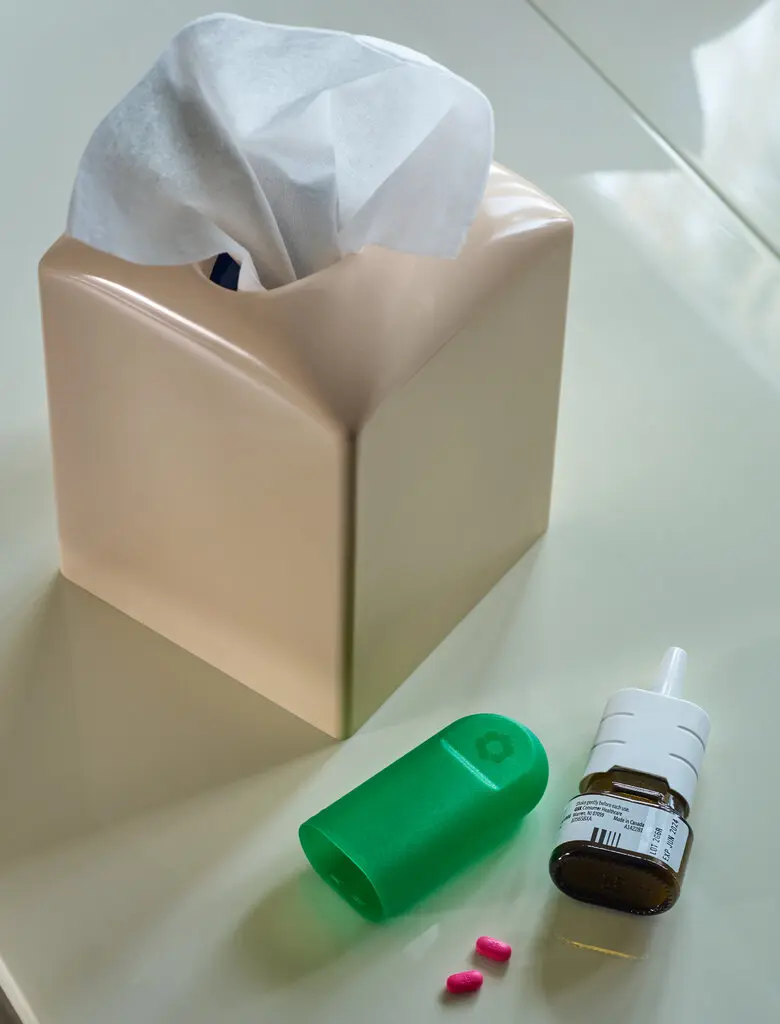
Many people struggling with nasal congestion want relief without using harsh or synthetic chemicals. Fortunately, several natural methods and gentle treatments can open nasal passages, soothe inflammation, and make breathing easier.
Understanding Nasal Congestion
Nasal congestion usually happens when the tissues and blood vessels inside your nose swell in response to irritants, infections, or allergies, which narrows the airway and makes breathing feel blocked. This swelling often goes hand in hand with extra mucus production as your body tries to trap and flush out whatever is irritating it. Gentle, low-chemical treatments focus on calming this inflammation and helping mucus drain instead of simply forcing blood vessels to constrict.
Why Avoid Harsh Chemicals
Many standard decongestant sprays rely on strong ingredients that quickly shrink blood vessels but can cause rebound congestion if used for more than a few days. Some people also find synthetic fragrances, preservatives, and dyes in medications irritating, especially if they already have allergies or sensitive skin. Choosing milder, more natural approaches lets you support healing while reducing the risk of side effects or dependence on fast-acting sprays.
Power of Moisture and Humidity
Moisture is one of the most effective ways to ease a stuffy nose without aggressive ingredients, because it thins mucus and soothes irritated tissue. Running a cool-mist humidifier in your bedroom can keep nasal passages from drying out, especially in winter when indoor heating makes the air very dry. Just remember to clean the device regularly so mold and bacteria do not build up and worsen symptoms.
Saline Nasal Sprays and Rinses
Plain saline sprays rely only on sterile saltwater, so they avoid decongestant drugs and unnecessary chemicals. A few sprays in each nostril help wash away dust, pollen, and thick mucus while restoring moisture to swollen tissue. For deeper cleaning, saline rinses with a neti pot or squeeze bottle can flush out the nasal cavity more thoroughly, provided you use distilled or previously boiled water and clean equipment.
How to Use Saline Safely
To rinse, lean over a sink, tilt your head slightly, and gently pour or squeeze the saline into one nostril so it flows out the other. Breathe through your mouth during the rinse, and avoid forcing the solution too hard, which could cause discomfort or ear pressure. Afterward, blow your nose lightly to remove remaining fluid, and repeat on the other side if needed.
Steam Inhalation at Home
Warm steam loosens thick mucus and can quickly relieve that heavy, blocked feeling in your nose and sinuses. You can sit in a steamy bathroom during a hot shower or lean over a bowl of hot water with a towel over your head to trap the moist air. Inhale slowly through your nose for several minutes, taking breaks if the heat feels too intense.
Boosting Steam with Essential Oils
Adding a few drops of eucalyptus or peppermint essential oil to the hot water can enhance the sense of openness in your nose and chest. These oils contain natural aromatic compounds that support easier breathing and can make steam inhalation feel more relieving. Keep your eyes closed and avoid using more than a few drops, because high concentrations can irritate rather than help.
Warm Compress for Sinus Pressure
A warm compress over the nose, cheeks, and forehead encourages circulation and can help swollen tissues relax. This gentle heat promotes drainage from blocked sinus passages, easing that dull, throbbing pressure many people feel around the eyes and temples. Simply dip a clean cloth in warm water, wring it out, and rest it on your face for several minutes a few times per day.
Staying Hydrated from Within
When you are dehydrated, mucus becomes thicker and harder to move, which makes congestion more stubborn. Drinking enough water, herbal teas, and clear broths helps thin secretions so they flow more easily from the nose and sinuses. Warm liquids also provide comforting steam as you sip, giving your nasal passages a double benefit.
Helpful Herbal Teas
Certain herbal teas offer extra support beyond basic hydration, especially those with ginger, peppermint, or chamomile. Ginger and peppermint naturally promote a sense of clearer breathing and may ease throat irritation that often accompanies a stuffy nose. Chamomile’s calming properties can help you relax, which is useful when congestion keeps you awake at night.
Essential Oils Beyond Steam
Diffusing essential oils into the air or using a chest rub that contains eucalyptus, menthol, or similar botanicals can support easier breathing without relying on strong synthetic fragrances. These products typically work by providing cooling, aromatic sensations that make nasal airflow feel less restricted. Always dilute essential oils properly and avoid applying them directly inside the nose, as the concentrated oils can be too harsh for delicate tissues.
Gentle Breathing Exercises
Breathing practices used in yoga, such as alternate-nostril breathing, encourage air to move evenly through both sides of the nose and can promote sinus ventilation. Sitting upright and focusing on slow, steady nasal breaths may help dislodge mucus and reduce a sense of blockage while also calming the nervous system. These techniques use your own breath as a tool, so they completely avoid medications and added chemicals.
Yoga Poses for Drainage
Some yoga postures gently change head position and chest expansion, which can improve mucus drainage from congested sinuses. Poses like child’s pose or a supported bridge pose encourage gravity to help clear nasal passages while also loosening tight muscles around the neck and shoulders. Staying within a comfortable range of motion and moving slowly ensures this approach remains safe and restorative.
Cleaning Up Indoor Air
Indoor air filled with dust, smoke, or strong cleaning chemicals often worsens nasal swelling and triggers repeated congestion. Vacuuming regularly with a HEPA filter, dusting surfaces, and washing bedding in hot water reduces allergens like dust mites and pet dander. Choosing fragrance-free or low-chemical cleaning products and avoiding aerosol sprays helps keep your nasal lining calmer overall.
Managing Outdoor Irritants
Outdoor pollution, pollen, and temperature swings are common triggers for a stuffy nose, especially in people with allergies. On high-pollen or high-smog days, closing windows and using an air purifier can reduce what enters your home. Rinsing your nose with saline and changing clothes after spending time outside helps remove particles stuck to your hair, skin, and nasal passages.
When to Consider Mild OTC Options
If natural measures alone are not enough, some over-the-counter saline gels and preservative-free sprays offer a middle ground between home remedies and stronger drugs. These products usually rely on isotonic or slightly hypertonic saline and sometimes gentle ingredients like aloe or xylitol for extra moisture. Reading labels closely lets you avoid formulas that add decongestants, artificial colors, or heavy fragrances you might be trying to skip.
Watching for Warning Signs
While congestion is often harmless, persistent or severe symptoms can signal something more serious like sinus infection or chronic sinusitis. Warning signs include congestion lasting more than a couple of weeks, high fever, thick green or bloody discharge, or intense facial pain. In those situations, medical evaluation is important, even if you still prefer to focus on gentle, low-chemical care.
Actionable Final Tips
Lean first on low-chemical strategies such as saline sprays, steam inhalation with a drop or two of essential oil, warm compresses, and steady hydration to keep mucus moving. Support these habits by cleaning your indoor air, avoiding smoke and heavy fragrances, and trying simple yoga or breathing exercises to assist drainage and relaxation. With this foundation in place, you can usually reserve stronger medications for rare situations, keeping your day-to-day congestion care as natural and gentle as possible.