
Nasal congestion treatments become essential in winter due to cold dry air irritating nasal passages, low indoor humidity from heating, increased viral infections, and heightened indoor allergen exposure that collectively cause inflammation, excess mucus production, and blocked breathing. These factors create persistent stuffiness affecting sleep, productivity, and comfort, making targeted relief critical for daily function.
Cold Air Triggers Vasomotor Rhinitis
Cold temperatures cause nasal blood vessels to constrict then rapidly dilate, leading to nonallergic rhinitis with swelling and runny/stuffy nose. The body ramps up mucus to warm and humidify inhaled air, but impaired cilia function traps it, worsening blockage without infection.
Indoor Heating Dries Nasal Linings
Heating systems drop humidity below 30%, dehydrating delicate nasal mucosa and thickening mucus that’s harder to clear. This irritation cycle prompts more mucus production, trapping bacteria and escalating to sinus infections if untreated.
Viral Infections Peak Seasonally
Winter colds/flu inflame nasal tissues, causing swelling and discharge that lingers 7-14 days. Close indoor quarters accelerate spread; weakened immunity from dry conditions prolongs recovery without decongestants or antivirals.
Indoor Allergens Amplify Symptoms
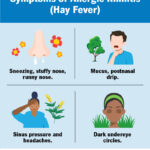
Extended indoor time exposes users to dust mites, pet dander, and mold thriving in heated homes, triggering allergic rhinitis. Symptoms compound dry air effects, creating chronic congestion requiring antihistamines and allergen mitigation.
Conclusion
Winter nasal congestion demands treatments to counteract cold-induced rhinitis, heating dryness, viral peaks, and allergens disrupting mucus clearance and cilia function for restored breathing and infection prevention.
FAQs
Primary cold air mechanism causing stuffiness?
Blood vessel constriction/dilation (vasomotor rhinitis) plus excess mucus to humidify air; cilia slow in cold, trapping secretions.
Indoor heating humidity impact and threshold?
Drops below 30-40% dries mucosa, thickens mucus; maintain 40-60% via humidifiers prevents 70% symptom escalation.
Viral congestion duration without treatment?
7-14 days typical; decongestants shorten to 3-5 days, prevent sinusitis in 50% cases.
Allergen hotspots winter indoors?
Dust mites thrive 70-80°F/70% humidity in bedding/upholstery; weekly hot washes (130°F+) reduce triggers 80%.
Safe decongestant duration to avoid rebound?
Oral pseudoephedrine 3-5 days max; nasal sprays (oxymetazoline) 3 days only prevents rhinitis medicamentosa.
Humidifier type and maintenance for efficacy?
Cool-mist ultrasonic daily; distilled water prevents mold; clean weekly vinegar soak kills 99% bacteria.
Saline rinse frequency for chronic winter cases?
Twice daily neti pot/spray thins mucus 2-3x faster, reduces need for meds 40%; use boiled/cooled water.
When congestion signals sinus infection?
10+ days persistence, facial pain, green discharge; antibiotics needed 20-30% winter cases.
Hydration role in mucus clearance?
8-10 glasses water daily thins secretions 50%; caffeine/alcohol dehydrate, worsening by 30%.
Prevention combo yielding 80% symptom reduction?
Humidifier + saline rinses + HEPA filters + handwashing beats single interventions significantly.